15 Skills Needed to Be a Fashion Designer
1. Creativity
Creativity remains the foundation of all fashion designers’ skills. Designers must generate original concepts while interpreting trends in distinctive ways.
2. Concept Development
Designers must translate fashion inspiration into cohesive collections. Whether inspiration comes from art, culture, architecture, or social movements, the ability to transform creative references into structured design concepts is essential. Mood boards, research, and storytelling help shape a recognizable and market-ready design identity.
3. Technical Skills for Fashion Designer Roles
Among the most critical technical skills for fashion designer professionals:
* Pattern drafting
* Draping techniques
* Sewing proficiency
* Garment construction
* Fit evaluation
Technical precision ensures that designs move seamlessly from concept to production.
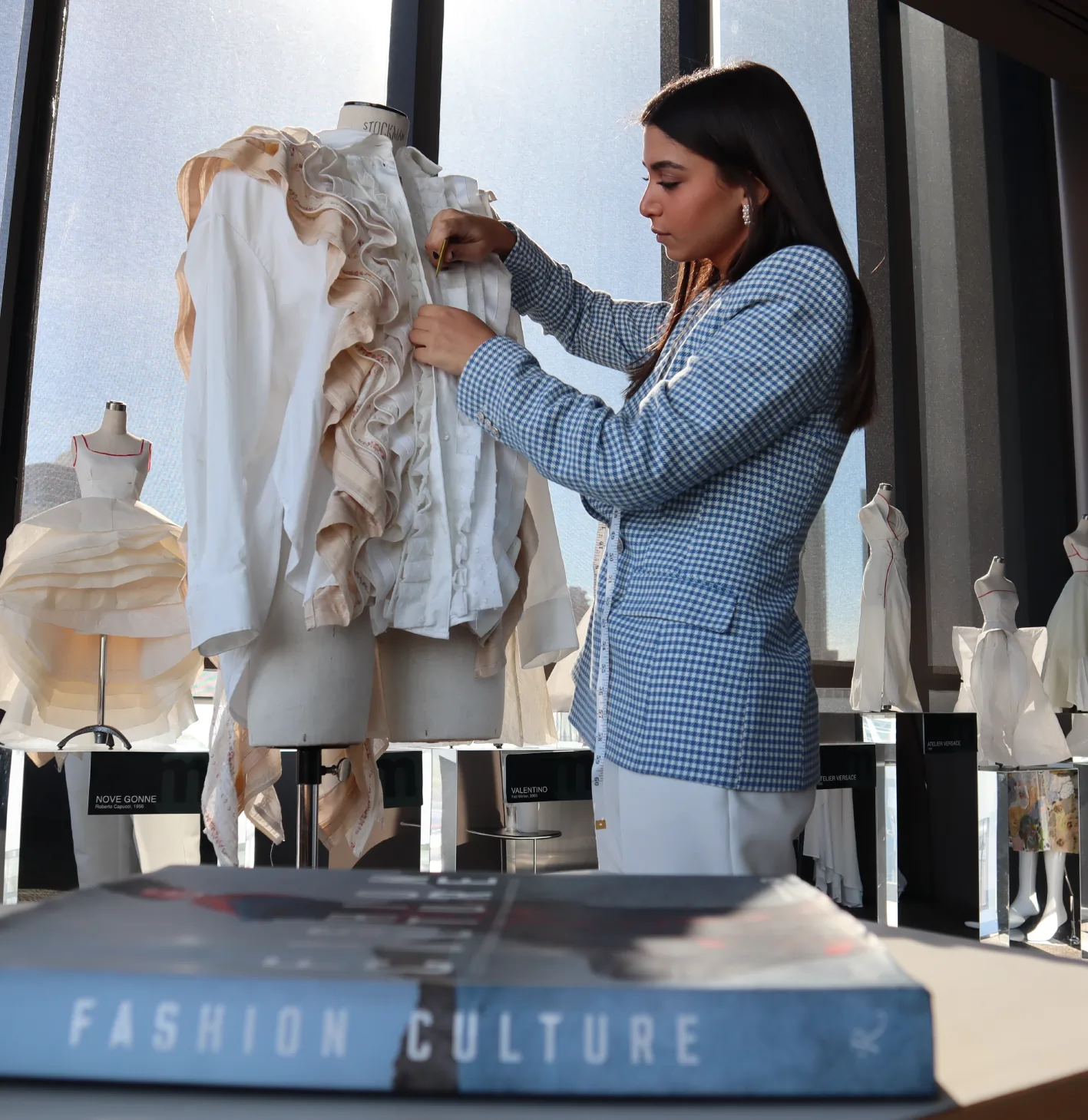
At Istituto Marangoni Miami, these competencies are developed through hands-on practice within dedicated ateliers and professional studio environments. Students refine cutting and construction techniques through immersive coursework, including advanced modules such as Level 3 Cut & Construction within the One-Year Vocational Program in Fashion Design. This structured, practical approach prepares students for real-world industry standards and professional design roles.
4. Textile Knowledge
Understanding fibers, fabric behavior, durability, and sustainability allows designers to select materials that align with both aesthetics and functionality.
5. Fashion Illustration
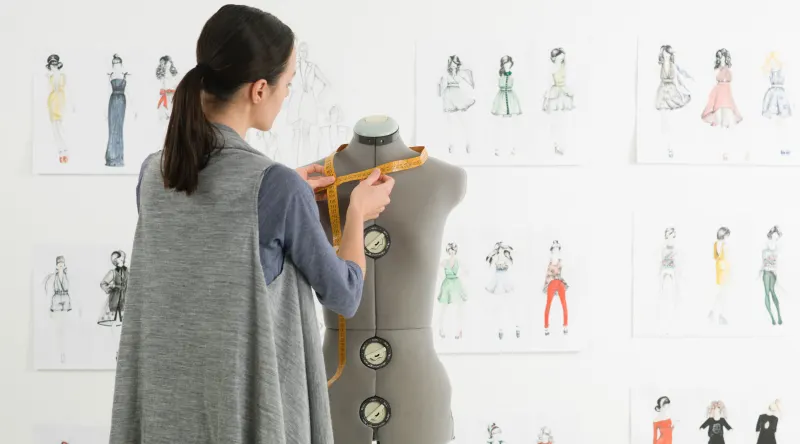
The ability to sketch ideas clearly — both by hand and digitally — is fundamental. Visual communication strengthens collaboration with production teams.
Our Fashion Design Level 1 courses, known as the Fashion Design and Illustration level, allow students to understand the fundamentals of sketching, pattern cutting, and the history of dress. Students enhance their sketching skills, learning to precisely capture fabric textures, facial characteristics, and body proportions. Students gain fundamental skills in garment construction through practical pattern-cutting, and their understanding of the history and societal influence of fashion is enhanced by studying the historical and cultural contexts of fashion in the 20th century. Students get the knowledge, abilities, and insights necessary to succeed in the fast-paced world of fashion design through these immersive learning experiences. Watch some of our students sketch here.
6. Digital Design Proficiency
Modern fashion designer qualifications require digital fluency, including:
* CAD software
* Clo3 Software
* 3D garment visualization tools
* Digital portfolio creation
Technology is now embedded in both education and professional practice.
At Istituto Marangoni Miami, students gain hands-on experience with CLO3D — an industry-leading 3D design platform that allows designers to simulate garments digitally, refine fit, and visualize collections before physical production. IMM’s computer laboratories are equipped with cutting-edge software, while purpose-built facilities across each floor include dedicated ateliers for design work, fully equipped photography studios, and professional learning environments that reflect real industry workflows.
This integration of physical craftsmanship and digital innovation represents a distinctive advantage in preparing students for the evolving global fashion industry.
7. Trend Forecasting
Identifying emerging trends before they reach the mainstream is essential for staying competitive in a global career in fashion design.
8. Sustainability Awareness
Environmental responsibility is a core component of modern skills needed to be a fashion designer. Designers must understand:
* Ethical sourcing
* Circular design principles
* Waste reduction strategies
* Responsible manufacturing
Sustainability knowledge is increasingly reflected in fashion designer education requirements worldwide.
9. Attention to Detail
Precision in stitching, finishing, and garment structure separates emerging designers from industry leaders.
10. Problem-Solving Ability
From fit adjustments to production challenges, designers must think critically and adapt quickly.
11. Communication Skills
Successful designers collaborate with:
* Pattern makers
* Manufacturers
* Marketing teams
* Buyers
* Creative & Fashion Directors
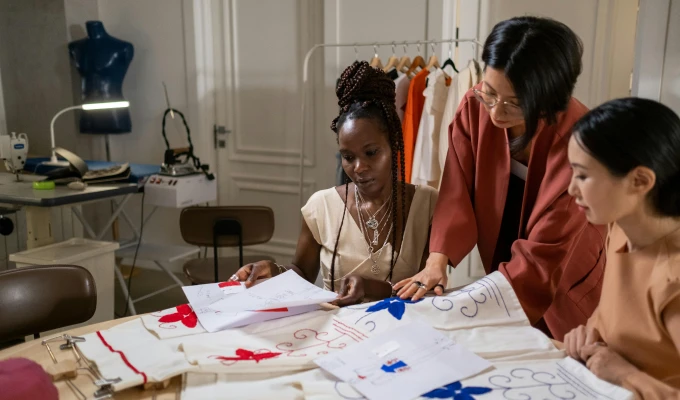
Clear communication strengthens leadership and creative execution.
12. Business Acumen
Understanding pricing, budgeting, merchandising, and brand positioning is essential for sustaining a long-term career in fashion designing.
13. Time Management
Fashion operates on seasonal deadlines. Designers must balance creative development with production timelines and market calendars.
14. Adaptability
The industry evolves rapidly due to technology, sustainability standards, and consumer behavior. Flexibility is one of the most important skills needed to be a fashion designer today.
15. Personal Brand Development
Designers must cultivate a distinct identity and professional presence. Portfolio quality, digital visibility, and networking directly impact long-term success.

0 Average rating (0 reviews)