
19 Mar 2026
upd: 19 Mar 2026
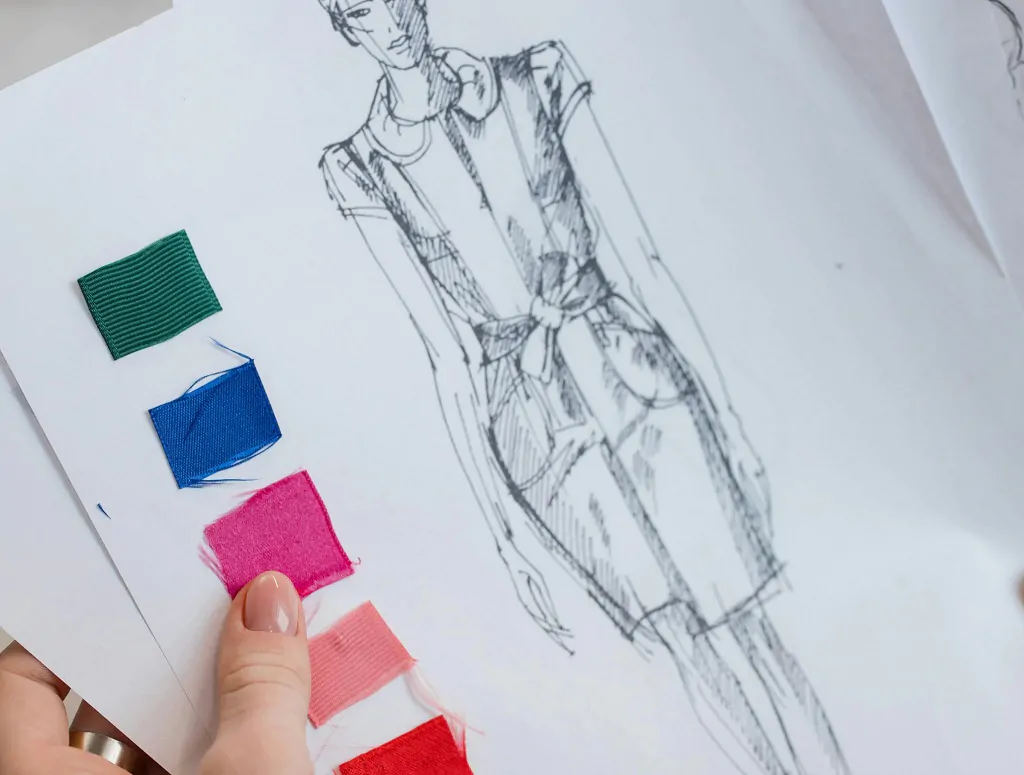
How to perfect Your Fashion Sketches
Every iconic collection begins with a line. Before fabric is sourced and garments are constructed, ideas take shape through fashion sketches. Whether you are developing your first portfolio or refining your visual language, mastering fashion drawing is essential to communicating your creative vision.
At its core, fashion sketching is more than illustration — it is visual storytelling. From quick fashion illustration sketches to detailed fashion design sketches, your ability to translate imagination into a clear visual concept defines your growth as a designer.

Why Fashion Sketches Matter
Strong fashion sketches are foundational to the design process. They allow designers to:
- Explore silhouette and proportion
- Test construction ideas
- Communicate design intent to teams
- Present concepts professionally
While not every designer begins as a trained artist, understanding how to draw fashion sketches strengthens your ability to collaborate with pattern makers, stylists, and manufacturers.
A clear clothes design drawing ensures that your vision is understood — whether you are pitching a collection or preparing a production sample.
Understanding the Fashion Drawing Base

Before focusing on garments, it is essential to master the foundation of fashion drawing: the fashion croquis.
A fashion croquis is a stylized figure template used as the foundation for sketching outfits. Unlike realistic anatomy, croquis figures often follow elongated proportions (commonly 8–10 heads tall) to emphasize movement and elegance.
If you are learning how to draw fashion sketches for beginners, start by:
1. Practicing proportion using a 9-head figure
2. Studying body balance and posture
3. Refining line confidence
4. Repeating gesture drawing exercises
The stronger your croquis, the more naturally your designs will flow.
How to Draw Fashion Sketches Step by Step

If you’re wondering how to fashion sketch effectively, follow these core stages:
1. Start with the Croquis
Lightly outline your fashion drawing base using a pencil. Focus on proportion and posture.
2. Define the Silhouette
Outline the garment’s structure before adding details. This stage is key when learning how to sketch fashion designs.
3. Add Structural Details
Incorporate seams, darts, pleats, collars, or closures. Clean linework improves clarity in fashion design sketches.
4. Develop Texture and Fabric Movement
Understanding weight and drape is critical when sketching clothes. Study fabric swatches and observe how textiles move on the body.
5. Apply Color and Rendering
Watercolor, markers, and colored pencils help elevate your fashion illustration sketches. Shading adds depth and realism.
These steps simplify how to do fashion sketches with structure and confidence.

How to Draw Outfits with Movement and Storytelling
Learning how to draw outfits is not only about clothing — it is about atmosphere and narrative.
Strong sketches often begin with clear fashion inspiration. Whether influenced by architecture, contemporary art, cultural heritage, or street style, inspiration provides emotional depth and direction. Translating inspiration into silhouette, texture, and movement transforms a simple drawing into a compelling design statement.
To enhance your sketches:
- Tilt the hips or shoulders to suggest motion
- Add wind to garments for flow
- Incorporate minimal backgrounds for context
- Use accessories to complete the story
Movement brings energy to your fashion sketches, helping viewers imagine how the garment behaves in real life.
Essential Techniques to Improve Fashion Sketching

To refine your fashion sketching, focus on these advanced elements. Technical drawing ability is one of the core fashion designer skills, as it directly influences how effectively ideas are communicated to pattern makers, production teams, and creative collaborators.
1. Master Proportions
Study anatomy and elongation techniques. Accurate proportion improves garment placement and realism.
2. Stylize Strategically
Exaggerate selectively to highlight texture, volume, or silhouette.
3. Study Fabric Behavior
Observe how silk drapes differently from denim. Strong clothes design drawing reflects material understanding.
4. Practice Daily
Consistency sharpens precision. Even quick gesture sketches improve confidence.
5. Combine Traditional and Digital Tools
Modern designers must know how to make fashion sketches both by hand and digitally using tablets and design software.
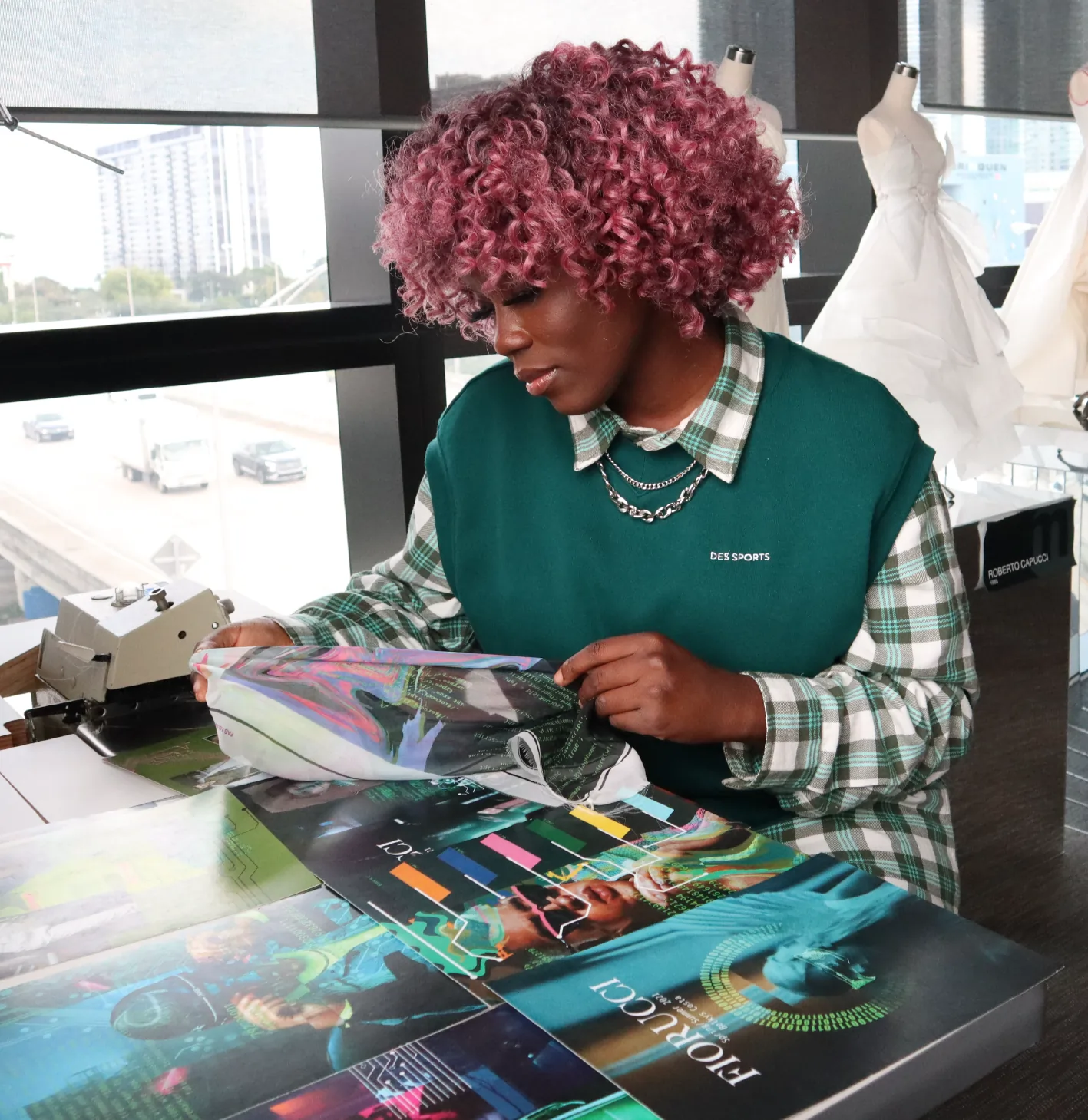
Essential Tools for Fashion Sketching
Every designer develops personal preferences, but commonly used materials include:
- Sketchbooks (A4 for detail, A5 for portability)
- H, HB, 2B pencils
- Fine-tip black pens
- Watercolor pans
- Alcohol-based markers
- Colored pencils
Exploring different tools helps determine what best supports your technique when practicing how to draw and perfect your fashion sketches.
From Beginner to Professional Fashion Illustration
If you are researching how to draw fashion sketches for beginners, remember that improvement comes from structure and repetition. Strong fundamentals in proportion, shading, and garment construction bridge amateur sketches to portfolio-ready fashion design sketches.
A polished portfolio built on strong sketching ability is often the first step toward launching a successful fashion designer career. Employers and creative directors evaluate not only creativity, but also clarity, technical precision, and consistency in visual execution.
Fashion illustration is not about perfection — it is about clarity of concept. The stronger your visual communication, the more distinctive and competitive your design identity becomes.


Elevate Your Fashion Sketching at Istituto Marangoni Miami
Mastering fashion sketching is only one part of a comprehensive design education. At Istituto Marangoni Miami, students refine their personal aesthetic while developing technical expertise across the fashion system.
As a globally recognized fashion design school, Istituto Marangoni Miami offers programs designed to transform creativity into professional capability, including:
- Associate Degree in Fashion Styling
- Bachelor of Fine Arts in Fashion Design
- Bachelor’s Degree in Fashion Styling
- Master’s Degree in Fashion Design
Located in the heart of Miami’s Design District, the institute provides access to international faculty, industry collaborations, and a global fashion network.
Whether you are perfecting your first fashion croquis or preparing a professional portfolio, Istituto Marangoni Miami empowers students to refine their craft and shape the future of fashion.
Take the next step in mastering how to sketch fashion designs — and leave your mark on the industry.
0 Average rating (0 reviews)