
18 Mar 2026
upd: 01 Apr 2026
How To Start a Career in Fashion
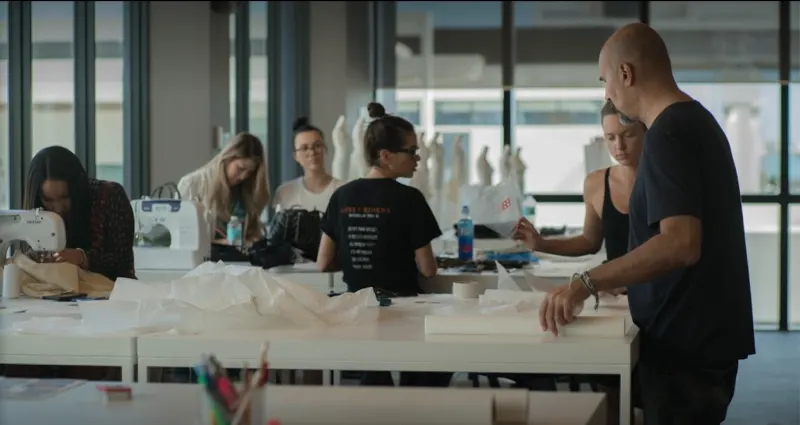
Breaking into the fashion industry can feel overwhelming. It is competitive, fast-moving, and constantly evolving. Yet for students who are strategic, educated, and persistent, building a successful fashion designer career — or any career in fashion — is entirely achievable.
If you’re wondering how to become a fashion designer, or more broadly how to position yourself in the global fashion industry, the journey begins with clarity, education, and hands-on experience.
Below is a professional roadmap outlining the essential steps to become a fashion designer and launch a long-term career in fashion.
Step 1: Define Your Vision
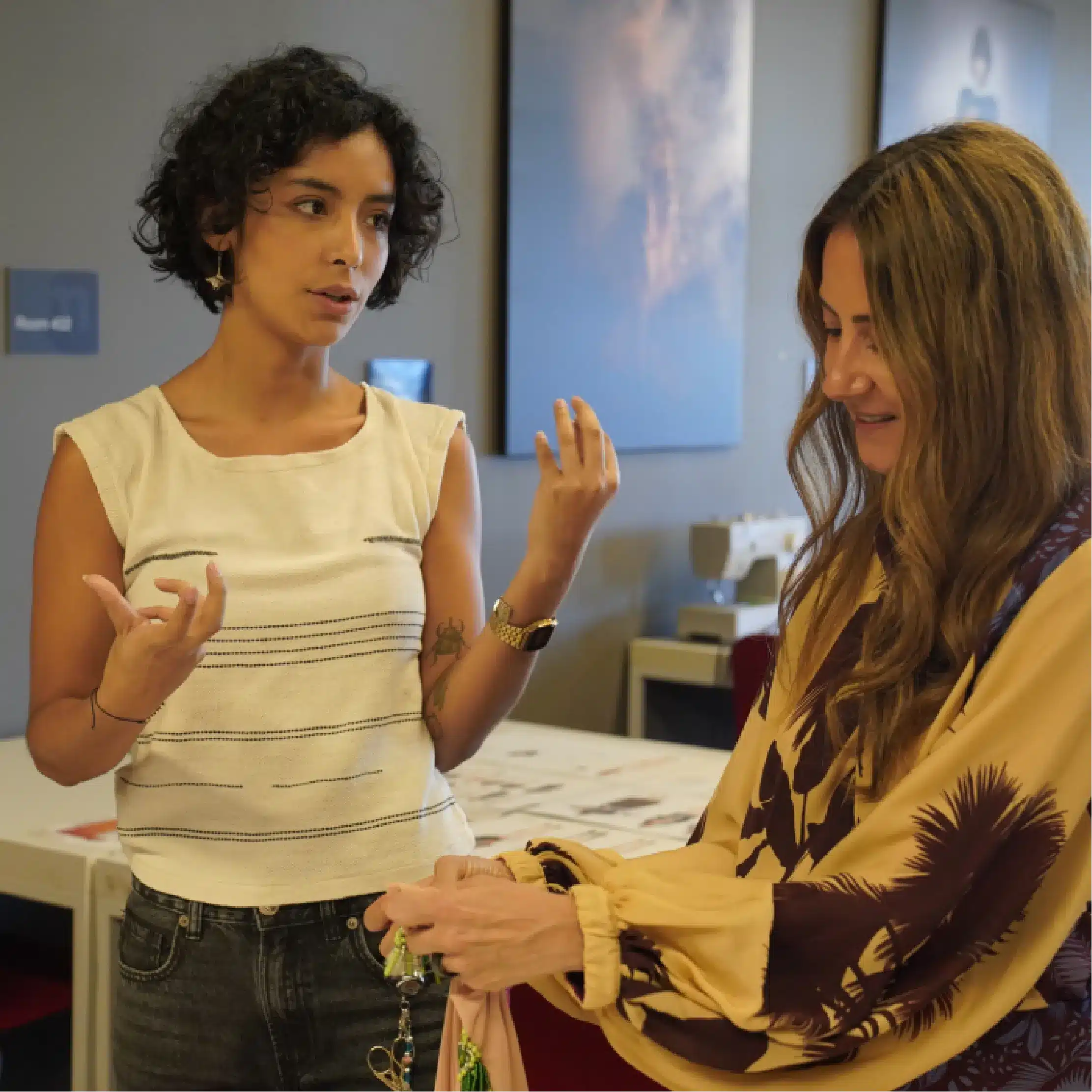
Before researching how to be a fashion designer, ask yourself a foundational question:
What does your future in fashion look like?
The industry extends far beyond runway design. Career paths include:
- Fashion design
- Styling
- Fashion business and entrepreneurship
- Luxury brand management
- Buying and merchandising
- Fashion marketing and communication
- Fashion modeling
If your goal is to become a fashion designer, identify which of the following you are drawn to: ready-to-wear, couture, sustainable design, or digital innovation. Defining your direction early helps align your education and experience with your long-term objectives.
Step 2: Understand What Education Is Needed to Become a Fashion Designer
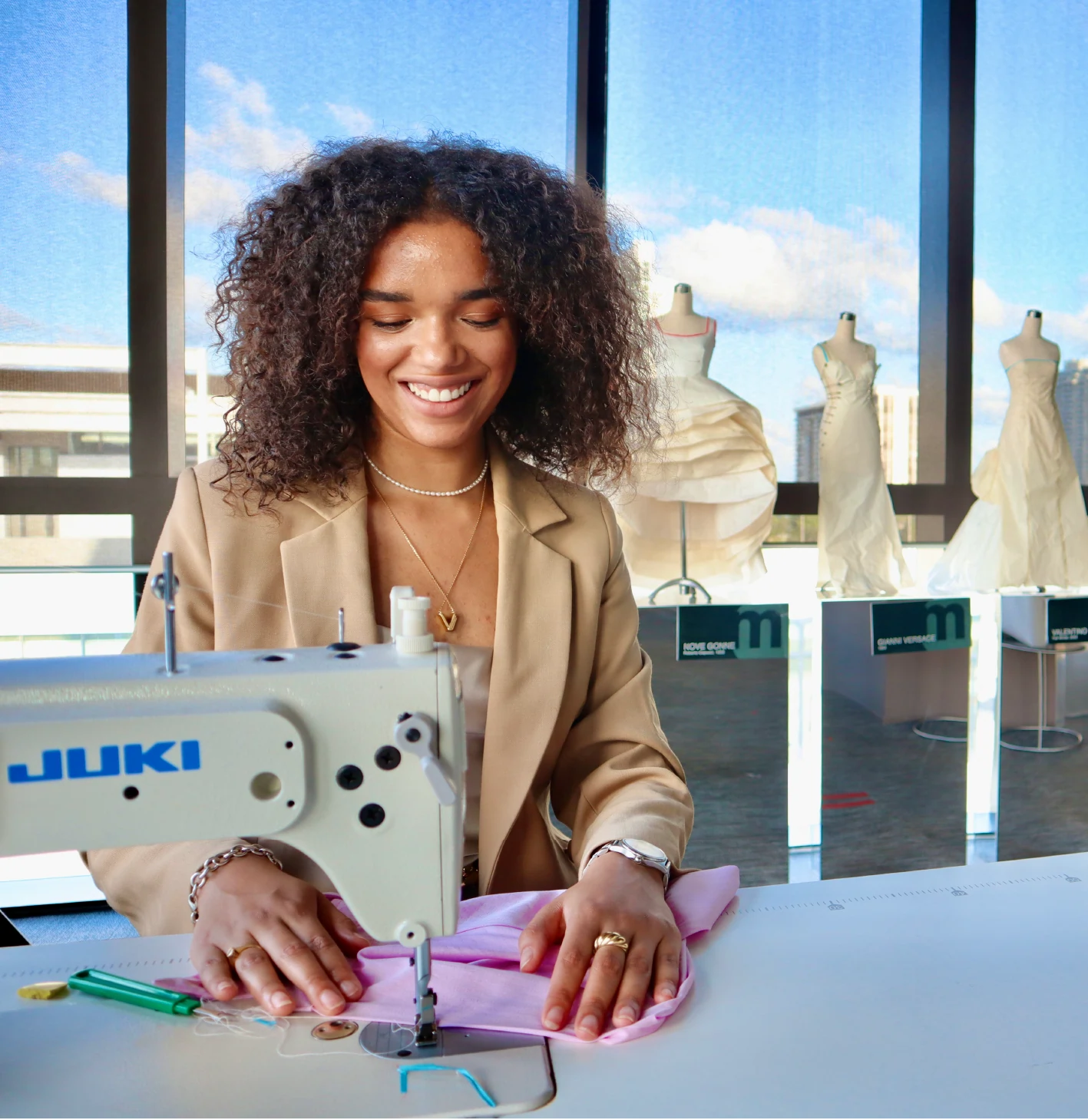
One of the most common questions students ask is: What education is needed to become a fashion designer?
While there is no single mandatory path, formal training significantly strengthens your competitive advantage. A structured program at a reputable fashion design school (Istituto Marangoni Miami was recently named in the top 10 of Fashion Schools by Vogue Business) builds both creative and technical foundations.
Students often pursue:
- An associate’s degree in fashion design provides hands-on technical training
- An undergraduate degree in fashion design or fashion business
- Specialized certifications or short courses
Education provides clarity on what you need to be a fashion designer, including:
- Pattern making and garment construction
- Textile knowledge
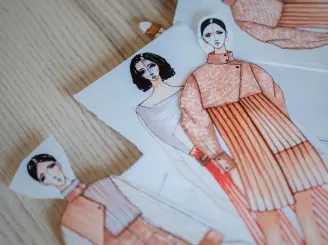
- Fashion illustration
- Digital design software
- Collection development
- Industry research and forecasting
For students interested in image and visual identity, an associate degree in fashion styling can open doors to careers in editorial styling, personal styling, and creative direction.
In today’s global market, understanding what education is needed to become a fashion designer is not just about credentials — it’s about gaining technical mastery and industry awareness.
Step 3: Develop Technical and Creative Skills
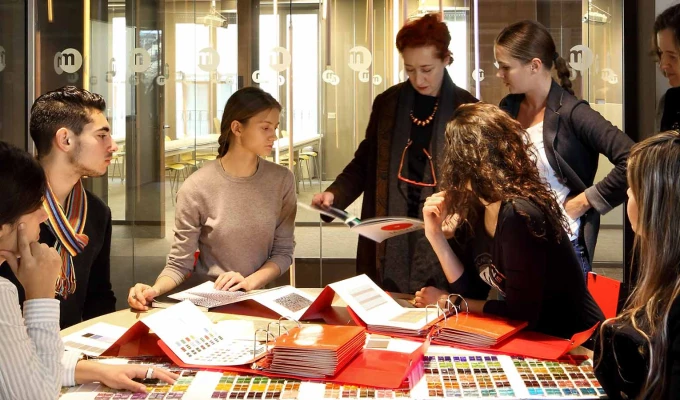
If you are serious about how to become a fashion designer, you must develop both creative vision and technical expertise.
Key competencies include:
- Sketching and concept development
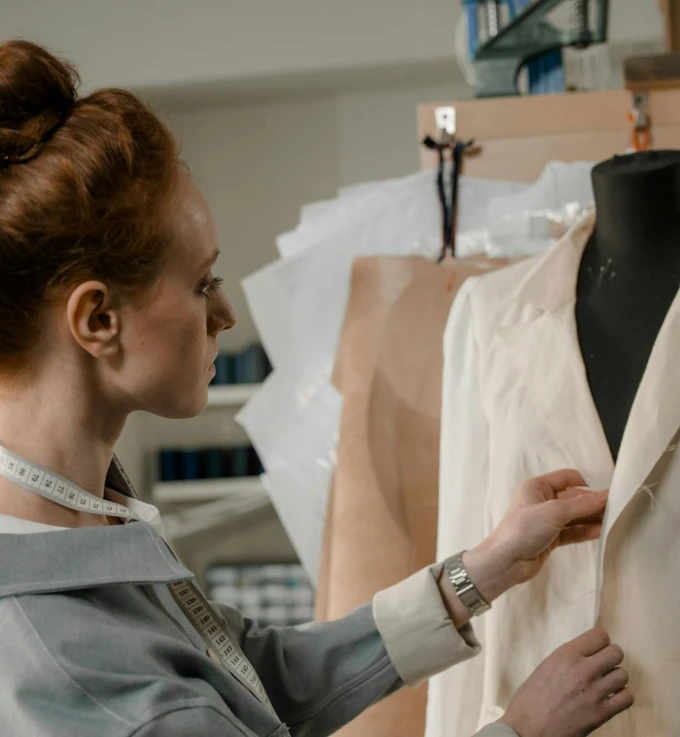
- Draping and pattern drafting
- Fabric sourcing and textile analysis
- Garment construction
- Digital fashion tools
- Trend forecasting
Mastering these fundamentals is essential for anyone becoming a fashion designer in a competitive, innovation-driven environment.
Step 4: Gain Real-World Experience
Education provides structure, but industry exposure builds confidence.
Internships and entry-level roles allow you to:
- Understand production timelines
- Observe fashion show execution
- Collaborate with creative teams
- Build a professional portfolio
- Expand your industry network
Experience clarifies whether your interests align with design, styling, branding, or business — all critical components of a sustainable fashion designer career.

Step 5: Build Your Network Strategically
Fashion is relationship-driven. Designers, stylists, buyers, and creative directors often discover opportunities through professional networks.
To strengthen your position:
- Attend fashion events
- Connect with mentors
- Collaborate with peers
- Maintain professional digital presence
Networking is not optional — it is one of the most practical steps to become a fashion designer or securing a role within the broader fashion ecosystem.

Step 6: Identify What You Bring to the Industry
Throughout your education and early experience, refine your strengths.
Ask yourself:
- What aesthetic defines my work?
- What technical skills set me apart?
- How do I interpret global trends?
Consistently exploring new sources of fashion inspiration — from art, culture, travel, technology, and social movements — helps refine your creative identity and perspective. Inspiration shapes how designers reinterpret trends and transform ideas into distinctive collections.
What problem can I solve in the market?
Understanding what you need to be a fashion designer also means understanding what makes you distinctive. Confidence and clarity strengthen your professional identity.

How to Be a Fashion Designer in Today’s Global Market
In today’s industry, how to be a fashion designer goes beyond creativity. It requires:
- Business awareness
- Sustainability knowledge
- Digital literacy
- Cross-cultural perspective
- Strategic branding
A successful fashion designer’s career is built on continuous learning and adaptation. Designers who understand global markets, consumer behavior, and innovation are positioned for long-term success.

Begin Your Fashion Journey at Istituto Marangoni Miami
If you are serious about how to become a fashion designer, choosing the right educational environment is one of the most important decisions you will make.
At Istituto Marangoni Miami, students study in a globally connected, design-driven environment located in the heart of Miami’s Design District. As an internationally recognized fashion design school, the institute offers programs designed to support every stage of becoming a fashion designer.
Whether you pursue an associate degree in fashion design, an associate degree in fashion styling, or an advanced undergraduate or Master’s program, you will gain:
- Technical expertise
- Creative mentorship
- Industry exposure
- Global perspective
Understanding what education is needed to become a fashion designer is only the beginning. At Istituto Marangoni Miami, students transform knowledge into professional opportunities.
Explore your path, refine your vision, and take the first step toward a dynamic and sustainable career in fashion.

0 Average rating (0 reviews)